Israel Solomon is a visual artist with a studio practice based in Indianapolis, Indiana. At an early age, he was interested in creating. Israel began drawing pictures of his favorite cartoon characters, superheroes, Star Wars, and sneakers during his adolescence, and that curiosity continued throughout his life. In high school, he took many art classes as a way to express himself and eventually went to college to become an art educator at Ball State University. Israel earned a nomination for Student of the Year for Ball State’s art department in 2002 and won the award for Drawing of the Year as well.
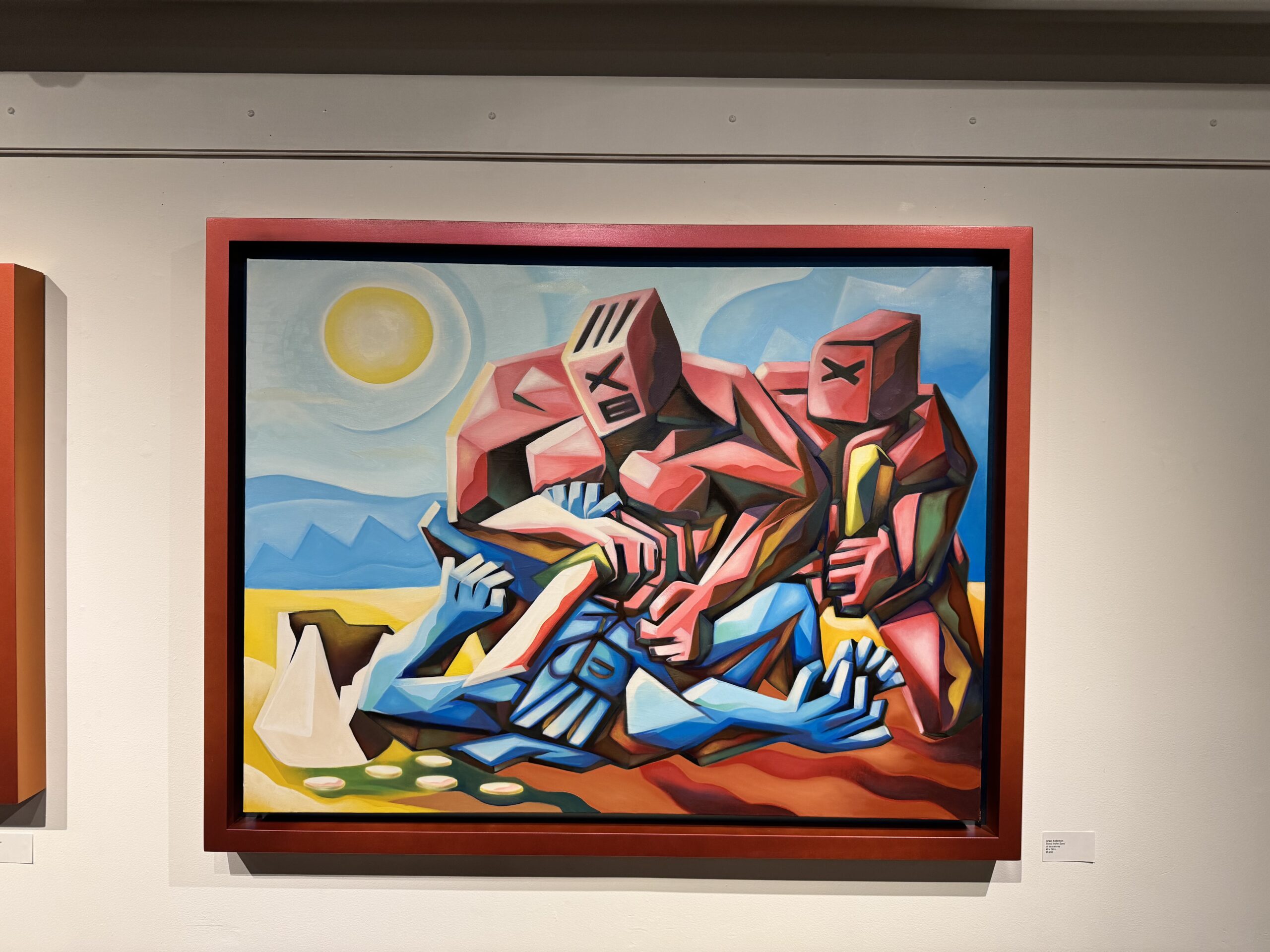
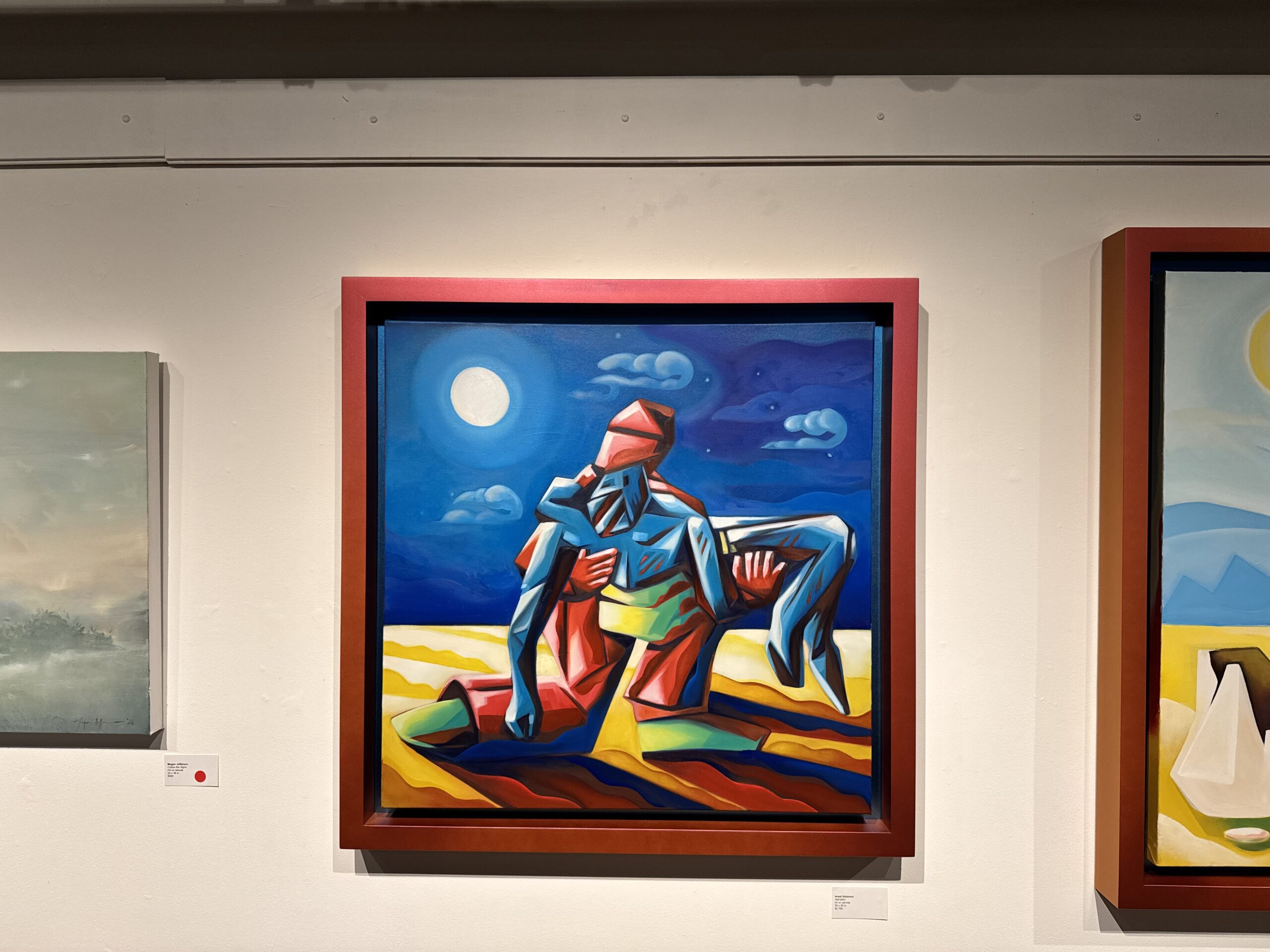
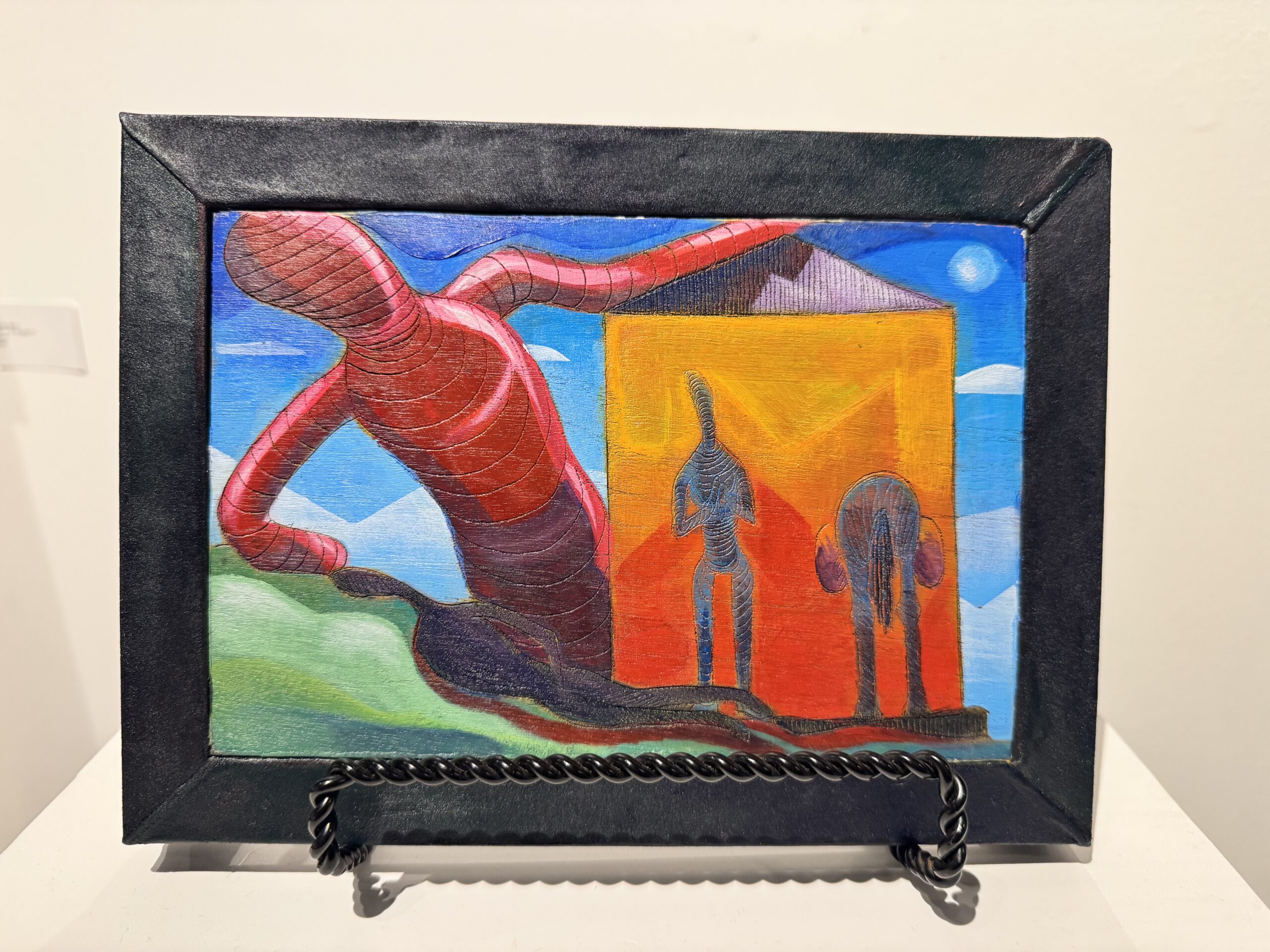
Eventually, Israel’s interest in art and drawing turned into painting, and he has been practicing and developing this craft for over ten years. As he began to display his artwork in exhibitions around Indianapolis, he continued to grow as an artist and developed a unique style that has often been compared to cubism. Israel also obtained a master’s degree in art education in 2019. He has utilized his education to teach and mentor a variety of students and other artists within his community. Israel has worked with a variety of groups and organizations such as Gainbridge Fieldhouse, The Children’s Museum of Indianapolis, Major League Soccer, Starbucks, and many others. In addition, his work has been acquired by groups such as Lilly, the Indiana State Museum, Eskenazi Hospital, and IU McKinley Law School. Israel’s goal is to continue growing his craft as a professional artist and to gain more opportunities to share his work nationally.